Showing posts with label Plants. Show all posts

Thursday, 23 March 2023

2º NATURAL SCIENCE - THE PLANT KINGDOM

 Hi everybody, 

let´s review, learn and remember some features about plants. 

I do hope you enjoy the activities. 

See you tomorrow morning!!

PLANTS NEED...

Link1

Link2


Plants needs, una ficha interactiva de Suemayya
liveworksheets.com


TYPES OF PLANTS


Plants, una ficha interactiva de mines
liveworksheets.com

Link3

Link4


 WE EAT PLANTS


WILD OR CULTIVATED

Plants I 1º, una ficha interactiva de Marioqc
liveworksheets.com

PARTS OF A PLANT


Parts of Plants, una ficha interactiva de suriathi
liveworksheets.com

Saturday, 16 May 2020

MY STUDENTS´ PLANTS - SUNFLOWER

Juanjo, an student from 2B has emailed me a picture of his sunflower. It´s great as well as nice.

Thanks for sharing it.


1 month later...

Wednesday, 18 October 2017

Tuesday, 10 October 2017

UDI 1 - PLANTS - HOW PLANTS GROW

Hi kids,

plants grow quite slow as any living thing, watch the video about a beautiful sunflower.

But, don´t worry, the growth is quite fast :)


And now about beans through a glass


And the last but not the least,


Saturday, 7 October 2017

UDI 1 - PARSLEY - PEREJIL

Cómo cultivar perejil en nuestro huerto

El cultivo del perejil
Tipos de suelo
El perejil se adapta con comodidad a todo tipo de suelos, aunque prefiere los que son profundos, ricos en humus, sueltos, frescos y muy bien abonados.
Clima
Este cultivo resiste cualquier tipo de clima, aunque se adapta mejor a los cálidos. Aunque hay que tener en cuenta que las plantas sembradas en verano tardarán de 14 a 16 días en nacer, y las sembradas en invierno, en una zona cálida, un mes.
Siembra y trasplante
La siembra del perejil dependerá de cuando queramos obtener las plantas, aunque se suele realizar de febrero a septiembre. Se puede realizar en líneas que estén separadas entre sí de 15 a 20 cm, dejando de 5 a 8 cm entre plantas. Antes de plantar, la semilla se deberá poner en remojo durante 24 horas. No tiene necesidad de trasplante.
Riego
El perejil necesita de un riego frecuente pero en pocas cantidades, para asegurar una humedad constante.

Friday, 6 October 2017

UDI 1 - PLANTING SEEDS

Hello boys and girls from 2ºA, 

we have planted some "parsley seeds" in two different ways. 

Now it´s time to be responsible and look after them. 

I do trust you. :) 

Nice weekend. 


Thursday, 5 October 2017

Wednesday, 4 October 2017

UDI 1 - PLANTS

Hi kids,

we have already started our unit about plants.

REMEMBER: plants are living things.

Watch the next videos to learn more about the plant kingdom: PARTS, FUNCTIONS...


Sunday, 1 October 2017

PROJECTS - PLANTS

Hello everyone,

look at the 1st example done at home.

Congratulations!! It´s fantastic.

(by Julia)

And now, you can see the 2nd one. 


(by Elsa)


(by María)


(by Julia)


(by Irene A.)


(by Laura)


(by Irene R.)

Monday, 20 March 2017

Friday, 17 February 2017

Plants - water

Hi kids,

let´s have a look when you should water the plants.

LENTILS


Si bien es una planta que tolera la sequía y aprovecha el agua de la lluvia debes mantener el suelo siempre húmedo por lo que se recomienda un riego periódico.

CHICKPEAS

Por tratarse de una planta resistente a la sequía, su necesidad de agua es escasa. La planta puede crecer en buenas condiciones incluso con el agua de lluvia solamente. Así y todo, se aconseja un riego suplementario para mejorar la nodulación e incrementar el rendimiento y el número de vainas.


BEANS

El riego es vital para el buen crecimiento de este cultivo: en este caso la medida justa es regar dos veces por semana cuando comienzan a abrir las flores. De esta forma, la planta estará lo suficientemente húmeda pero se evitará el suelo encharcado.


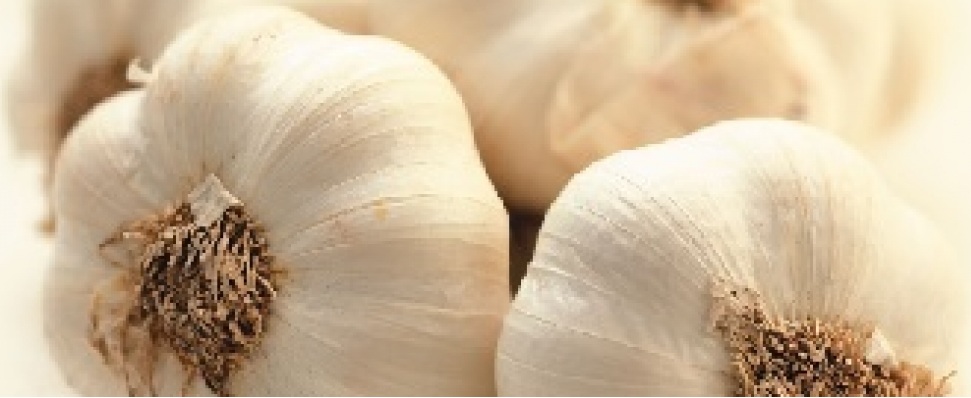
GARLIC

Una vez que se realizó la siembra de ajo, se debe aplicar el primer riego. Hay que tratar de que el agua fluya lentamente y que no rebase el lomo del surco para evitar que se formen costras que dificulten la correcta salida de la planta ni que el agua se estanque y pudra a los bulbillos. Los primeros riegos deben realizarse aproximadamente cada 15-25 días, dependiendo de las zonas, la lluvia natural es suficiente para que el ajo se desarrolle de forma sana y natural (salvo de temporadas de sequía)
Los que recién se estrenan en el cultivo de ajo, es importante destacar que 10 días después del primer riego se recomienda realizar otro riego ligero, para favorecer la germinación de las semillas inactivas tras el primer riego.
Información cogida de "http://ecohortum.com"

Thursday, 16 February 2017

Natural Science - Project PLANT SEEDS

Hi kids,

we have planted the seeds today. Hopefully they will be born soon and grow.

Let´s look after them every day.


Wednesday, 6 April 2016

Natural Science - The Plant Kingdom - Activities

Hello guys, good afternoon. 

in order to study for the exam you can do the following activities: 

Which is the function of the roots?

Roots produce seeds.
Roots absorb sunlight.
Roots take up water.

Which do leaves do?
Leaves absorb _______.

sunlight.
air.
water.

Which do flowers produces? Choose and complete.
Flowers produce ______.

petals.
seeds.
stems.

Complete the sentences.

Trees
Bushes
Grass

_______ have a thick and hard stem called trunk.
_______ have lots of stems.
_______ is thin and bendy.

Complete the sentences.

thick
thin
stems
trunk
bendy

Trees have a ______ and hard stem called _______.
Bushes have lots of ________.
Grass is ______ and ________.


Enjoy and learn

Tuesday, 5 April 2016

Natural Science - The plant kingdom - Circle

Hi kids, 

check if you know the vocabulary about plants. 

circle the correct word


Enjoy and learn

Sunday, 3 April 2016

Natural Science - The Plant Kingdom

Hi kids, 

you will do the exam next week so here it´s the information about it. 


Wednesday, 30 March 2016

Natural Science - The Plant Kingdom - Types of plants


Hi kids, 

do you remember the three types of plants?

can you tell me any feature of each one?