Hello kids,
we can classify the animals in different ways.
Let´s focus on some of them.
Animasl with (VERTEBRATES) and without skeleton (INVERTEBRATES)
Animals that eat animals (CARNIVORE), eat plants (HERBIVORE), eat animals and plants (OMNIVORE).
Animals that lay eggs (OVIPAROUS) and are born from their mothers´ tummy (VIVIPAROUS)
Animals that are DOMESTIC or WILD (different habitats).
Thursday, 2 March 2017
Tuesday, 21 February 2017
NS - Animals: vertebrates, mammals
Hello children,
let´s carry on learning about animals.
This morning we have studied about vertebrates and the 5 groups we can classify them.
Let´s focus on mammals.
Mammals are born from their mothers´ tummies.
let´s carry on learning about animals.
This morning we have studied about vertebrates and the 5 groups we can classify them.
Let´s focus on mammals.
Mammals are born from their mothers´ tummies.
Monday, 20 February 2017
Friday, 17 February 2017
Natural Science - Animals - Game
Hi kids,
check if you know the difference between vertebrates and invertebrates.
Click on the link and play
Activity
check if you know the difference between vertebrates and invertebrates.
Click on the link and play
Activity
Natural Science - Animals
Hello boys and girls,
we are studying the animal kingdom and we have focused today on the skeleton to classify them.
Some animals have skeleton and some animals do not have a skeleton.
Animals that have a skeleton are called: VERTEBRATES
Animals that do not have a skeleton are called: INVERTEBRATES
Listen to the song about them.
we are studying the animal kingdom and we have focused today on the skeleton to classify them.
Some animals have skeleton and some animals do not have a skeleton.
Animals that have a skeleton are called: VERTEBRATES
Animals that do not have a skeleton are called: INVERTEBRATES
Listen to the song about them.
Plants - water
Hi kids,
let´s have a look when you should water the plants.
LENTILS
CHICKPEAS
Por tratarse de una planta resistente a la sequía, su necesidad de agua es escasa. La planta puede crecer en buenas condiciones incluso con el agua de lluvia solamente. Así y todo, se aconseja un riego suplementario para mejorar la nodulación e incrementar el rendimiento y el número de vainas.
BEANS
El riego es vital para el buen crecimiento de este cultivo: en este caso la medida justa es regar dos veces por semana cuando comienzan a abrir las flores. De esta forma, la planta estará lo suficientemente húmeda pero se evitará el suelo encharcado.
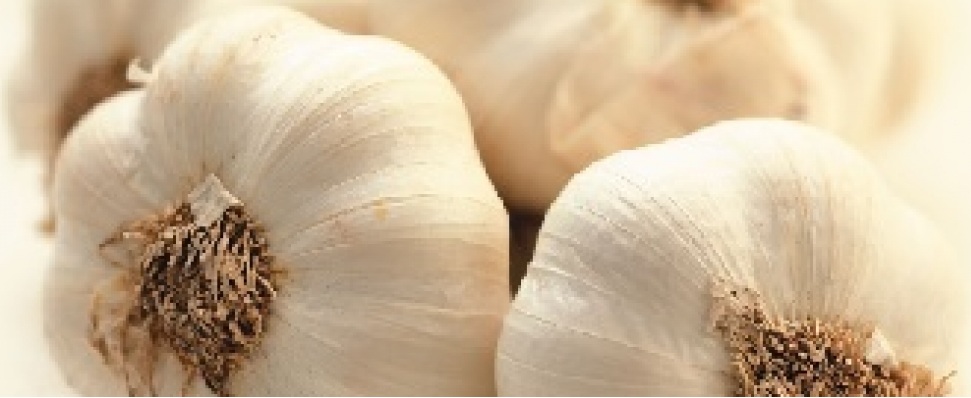
GARLIC
let´s have a look when you should water the plants.
LENTILS
Si bien es una planta que tolera la sequía y aprovecha el agua de la lluvia debes mantener el suelo siempre húmedo por lo que se recomienda un riego periódico.
CHICKPEAS
Por tratarse de una planta resistente a la sequía, su necesidad de agua es escasa. La planta puede crecer en buenas condiciones incluso con el agua de lluvia solamente. Así y todo, se aconseja un riego suplementario para mejorar la nodulación e incrementar el rendimiento y el número de vainas.
BEANS
El riego es vital para el buen crecimiento de este cultivo: en este caso la medida justa es regar dos veces por semana cuando comienzan a abrir las flores. De esta forma, la planta estará lo suficientemente húmeda pero se evitará el suelo encharcado.
GARLIC
Una vez que se realizó la siembra de ajo, se debe aplicar el primer riego. Hay que tratar de que el agua fluya lentamente y que no rebase el lomo del surco para evitar que se formen costras que dificulten la correcta salida de la planta ni que el agua se estanque y pudra a los bulbillos. Los primeros riegos deben realizarse aproximadamente cada 15-25 días, dependiendo de las zonas, la lluvia natural es suficiente para que el ajo se desarrolle de forma sana y natural (salvo de temporadas de sequía)
Los que recién se estrenan en el cultivo de ajo, es importante destacar que 10 días después del primer riego se recomienda realizar otro riego ligero, para favorecer la germinación de las semillas inactivas tras el primer riego.
Información cogida de "http://ecohortum.com"
Thursday, 16 February 2017
Natural Science - Project PLANT SEEDS
Hi kids,
we have planted the seeds today. Hopefully they will be born soon and grow.
Let´s look after them every day.
we have planted the seeds today. Hopefully they will be born soon and grow.
Let´s look after them every day.
Sunday, 12 February 2017
Saturday, 11 February 2017
Natural Science - Living things - Activity
Good afternoon to everybody!
I hope you are having a nice weekend.
To help you to chech what you know, try to do the following task.
You have to complete five sentences. You have to use the given vocabulary and you can use it more than once as there is more than one option per sentence.
Good luck.
By tomorrow morning I will post the answers!
Tuesday, 7 February 2017
Thursday, 2 February 2017
Natural Science - UDI 1 (living things)
Hi kids,
we have just started unit 3 of NS which is about living things.
Remember what is a living thing and a non-living thing.
Besides,
Learn useful words for the unit:
we have just started unit 3 of NS which is about living things.
Remember what is a living thing and a non-living thing.
Besides,
Learn useful words for the unit:
- living things - seres vivos
- plant - planta
- animal - animal
- tree - árbol
- grass - hierba
- human being - ser humano
- grow - crecer
- eat - comer
- breathe - respirar
- move - moverse
Wednesday, 25 January 2017
Social Science & English - Types of trasnports
Hi kids,
watch the video to remember the name of some types of transports.
Sunday, 22 January 2017
Saturday, 21 January 2017
Social Science - Where I live - street
Hi guys,
You already know that each street has a name.
Besides, in each street, each house, each building, each shop, each restaurant has a number.
Click on the link, which number has this building of flats?
A house in a street in London
You already know that each street has a name.
Besides, in each street, each house, each building, each shop, each restaurant has a number.
Click on the link, which number has this building of flats?
A house in a street in London
Subscribe to:
Posts (Atom)